"I fell off a horse" - One Patient's Experiences with Recording Doctor Appointments
By Anne Derman in Medcorder.com
Three years ago, my horse slipped mid-gallop. My last memory was the sound of my helmet cracking against asphalt, and then snippets from the emergency room. When I confided in my doctor that I had lingering memory troubles, he suggested a test to figure out exactly where things in my brain were going haywire.
Then I walked out of his office and promptly forgot what he’d suggested. The irony of having to call and ask for a reminder on the memory test was not lost on either of us.
Had I recorded our appointment, however, the follow-up call would have been unnecessary. I never even thought to ask if I could record, though. That’s strange because, as a journalist, I record almost all of my conversations.
I likely didn’t think to ask if I could record because I didn’t want to jeopardize that “perfect patient” relationship. Being a perfect patient is silly, though. You called the doctor because you were concerned about your health, not because you needed a friend. Furthermore, you’re there to get information, and knowledge is only as good as your ability to remember it.
On Power Dynamics in Medical Relationships
Dan Gardner, MD, a San Diego-based psychotherapist, observes: “The doctor and patient relationship is very tilted. You’re motivated to be a ‘good patient,’ because your life is literally in their hands.”
The challenge of medical recall is widespread. A 2012 study tested 755 patients receiving instructions about wound care or medications. Notably, 40.5 percent couldn’t recall medication instructions just 15 minutes later.
Physician Perspective
John Durant, MD, a general practice physician in Dadeville, Alabama, champions the practice: “For me, a recording is a chance for clarity, and a chance for a patient to understand a little bit better.”
Doctors who encourage recording report improved outcomes in prescription adherence and follow-up care completion. Research supports this approach — studies show that recordings and transcripts enhance patient recall of medical visits.
Best Practices for Recording
Recording your doctor requires careful approach. Many states mandate consent before recording, so asking permission is essential. Explain your reasoning — clarify that you simply want to improve your memory retention. Some physicians may feel anxious about being recorded; understanding their concerns can help ease hesitation. If they’re not immediately comfortable, ask if they’d consider it for your next appointment.
Personal Benefits
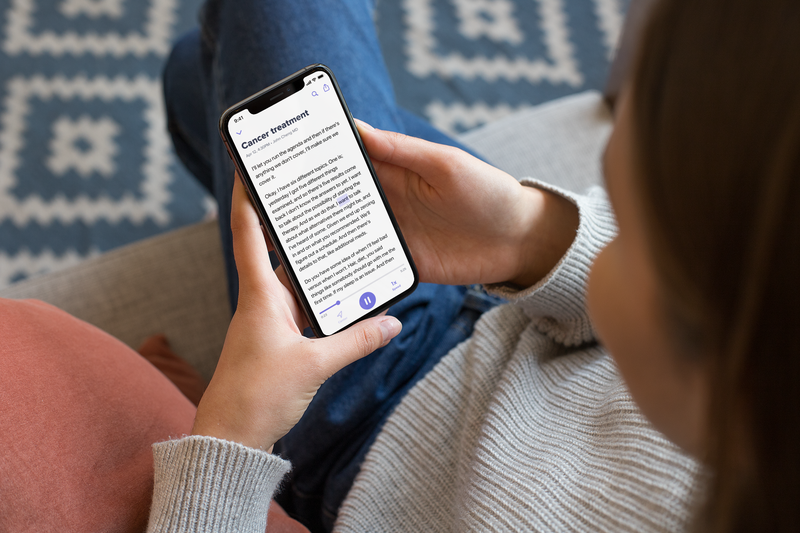
For me, recording doctor visits functions as insurance against my unreliable memory. I can confidently follow through on medical instructions. Beyond personal use, apps like Medcorder enable families to share medical information efficiently. Additionally, recordings create a permanent medical record — invaluable when changing doctors, relocating, or tracking long-standing health issues.
My memory will probably always be somewhat unreliable — that’s my reality now. But I’ve learned one lesson well: always ask permission before recording important conversations, especially with my physician.